As an educator who spent over a decade in early childhood classrooms, I’ve seen thousands of families walk through the "transition to school" phase. Often, parents come to me during orientation visits and information sessions filled with anxiety about whether their child knows their alphabet, can count to 100, or—the big one—recognizes all their shapes and colors.
Here is the secret that many qualified early childhood educators know but rarely get the chance to explain in depth: school readiness is not about the early acquisition of abstract academic facts. It is about the "whole child." When we teach shapes for kids or explore pattern games, we aren't just teaching geometry; we are building the cognitive skills necessary for problem-solving, literacy, and future mathematical thinking. However, these academic foundations are only half the battle. To be truly "ready" for primary school, a child needs the independence to manage their day, their lunch, and their own body.
Why Shapes and Patterns are More Than Just "Shapes"
When you sit down with your preschooler to play, you aren't just passing time. You are building the architecture of their brain. Recognizing shapes is the first step toward understanding spatial awareness and visual discrimination—two vital precursors to reading and writing. Similarly, understanding patterns is the foundation for algebraic thinking and logical reasoning.
Practical Ways to Teach Shapes for Kids
You don't need a formal curriculum to teach shapes effectively. In fact, play-based learning is significantly more effective at this age because it links new concepts to physical experience.
- Blocks: Use wooden or plastic blocks to identify triangles, squares, and rectangles. Ask your child, "How many blocks do we need to make a square?" This builds spatial reasoning. Playdough: Rolling out shapes with dough is an incredible fine-motor activity. Use child safe scissors to cut the dough into geometric shapes. This dual-action approach builds hand strength, which is essential for pencil grip later on. Art Materials: Create "shape collages." Cut out paper shapes and have your child glue them onto a larger sheet to create a picture. This combines visual recognition with creativity. Puzzles: Puzzles are the gold standard for spatial orientation. They require children to rotate and flip pieces to fit a "shape" into a specific gap, reinforcing their understanding of geometry in a functional way.
Boosting Cognitive Skills through Pattern Games
Patterns are everywhere in our daily life. Developing an "eye for patterns" helps children predict what comes next, which is a key literacy and numeracy skill. You can integrate pattern games into your routine without it feeling like "work":
The Clothing Pattern: When laying out clothes, create a sequence: "Socks, shirt, socks, shirt." Ask them, "What comes next?" Snack Time Patterns: Use fruit slices or crackers. "Apple, grape, apple, grape." This makes learning delicious and tangible. Musical Rhythms: Patterns aren't just visual! Clapping a rhythm—clap, clap, tap, clap, clap, tap—is a fantastic way to teach auditory pattern recognition.The Whole-Child: Beyond Academics
While the academic side of school readiness is important, many parents lose sleep over the wrong things. When we talk about transition readiness, we are actually looking at a child's ability to navigate a classroom upwardparenting.com environment. If a child knows all their shapes but cannot open their own lunchbox or manage their personal hygiene, they will face significantly more stress in the first few weeks of primary school than a child who knows fewer shapes but is self-sufficient.
Self-Help Independence: The Foundation of School Success
Self-help skills are the "hidden curriculum" of primary school. When a child can look after themselves, their confidence levels soar, allowing them to focus their energy on learning.
1. Lunchbox and Eating Skills
Primary school is a busy environment. Can your child open their containers? Can they unwrap a muesli bar or peel a banana? Practicing these tasks at home is a vital part of preparation. If they struggle with fine motor tasks, consult with occupational therapists, who often provide excellent strategies for building the necessary dexterity.
2. Toileting and Hygiene
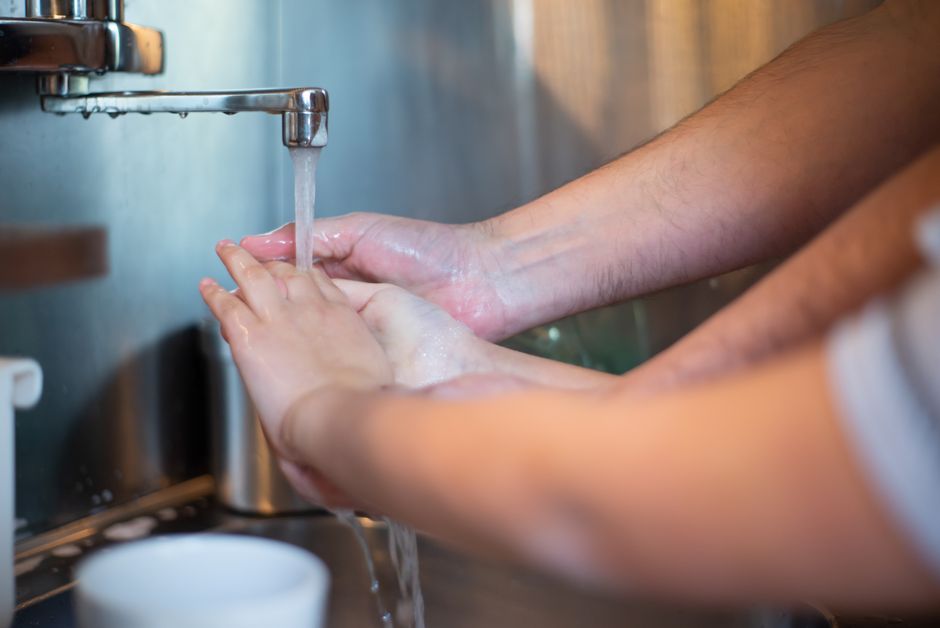
Confidence in the bathroom is non-negotiable. Children need to be able to manage their own clothing, wipe properly, and understand the importance of handwashing. If your child has developmental delays, don't be afraid to reach out to speech pathologists or other specialists who can help you develop visual schedules to support these transitions.
3. Managing Belongings
Encourage your child to take responsibility for their own "gear." Can they put on their own jumper? Can they pack their bag? Can they identify their own items by their name label? These seem like small chores, but they teach executive functioning—the ability to plan, organize, and execute tasks.
School Readiness Checklist: A Practical Guide
To help you track your progress, I have put together a checklist based on my years in the classroom. Remember, these are goals to work toward, not a rigid report card. Every child develops at their own pace.
Skill Area What to Look For How to Support Shapes & Patterns Recognizing 2D shapes; following simple sequences. Use blocks and pattern games during daily play. Self-Help Managing clothing, zippers, and buttons. Dress-up play and "practice mornings" at home. Lunchbox Skills Opening containers independently. "Picnic practice" in the living room. Hygiene Independent toileting and handwashing. Visual checklists in the bathroom. Social/Emotional Asking for help, sharing, turn-taking. Model these skills through board games.Bridging the Gap: Orientation and Support
One of the best pieces of advice I give parents is to lean into the school’s orientation visits and information sessions. These are not just administrative formalities; they are your gateway to understanding the specific expectations of your child's future environment.
During these sessions, listen carefully to what the teachers emphasize. Most schools are looking for children who are curious, resilient, and can follow simple instructions. They are rarely looking for children who have already mastered the primary curriculum. If you notice your child struggling with the transition—perhaps with separation anxiety or difficulty following directions—this is the perfect time to chat with the school’s staff. They have seen it all before and can provide personalized advice.
Final Thoughts: Keep it Playful
As you prepare your child for the big leap into primary school, take a deep breath. Your child does not need to be a mini-scholar; they just need to be a child who is ready to learn. Focus on the play: teach shapes for kids through building, explore pattern games through music and snacks, and spend time perfecting those lunchbox-opening skills.
Remember, the goal isn't to create a perfect student; it's to build a confident, capable, and curious human being who is ready to take that next big step. You’ve done a great job as their first teacher—trust that the foundations you’ve laid, through love, play, and practical support, are exactly what they need to succeed.
If you are feeling overwhelmed, remember that you don't have to do this alone. Reach out to your local qualified early childhood educators, occupational therapists, or speech pathologists if you feel your child needs extra support in specific developmental areas. They are the best allies you have in this journey.